
Scissor Lift Buying Guide
Do Not Overlook This When Buying a Scissor Lift
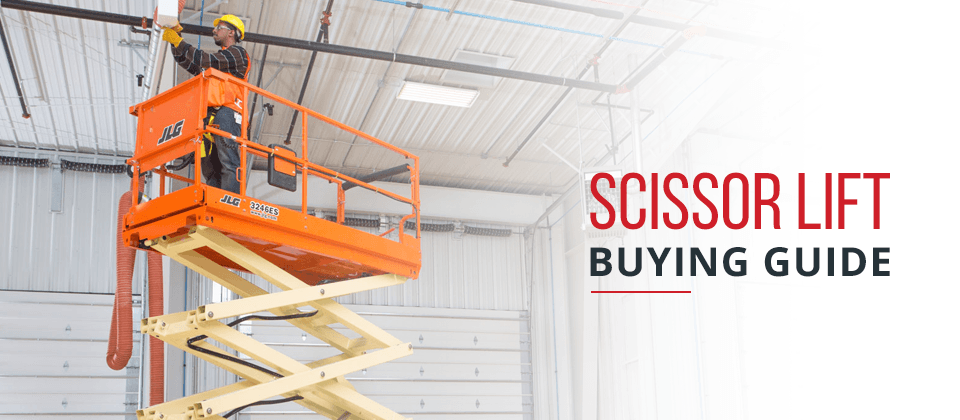
From reducing the risk of falls to enabling faster access to high areas, scissor lifts make a significant difference in workplace safety and productivity. But with so many options available, it’s easy to feel overwhelmed by the specifications, load capacities, platform heights and fuel types. This guide can help you choose the right scissor lift for your operations.
Different Scissor Lift Capabilities
Two of the most common scissor lift categories are electric and rough terrain, both optimized for different jobsite conditions. It’s best to invest in an electric scissor lift for indoor warehouses and flat concrete surfaces, as battery-powered machines are designed for quiet, clean operations.
Outdoor construction sites with uneven ground and heavy-duty exterior work depend on rough-terrain lifts. Some machines feature 4WD lugged tires for traction, while other models come with outriggers to ensure stability on sloped grounds.
Indoor and Outdoor Wind Ratings
Many lifts are intended for indoor use only due to wind-force restrictions and new stability requirements. Using indoor lifts outside, even on a calm day, is a safety violation and liability risk. Remember to check the data plate for wind ratings that fit your operations. If you need versatility, ensure you buy a machine with an outdoor wind rating suited for your needs.
Platform Capacity and Occupancy
Modern lifts use active load sensing that continuously monitors the platform load and adjusts hydraulic power to match task requirements. If the combined weight of workers and tools exceeds the machine’s working capacity, the machine locks out and will not lift. Mobile elevating work platforms (MEWPs), including scissor lifts, list a maximum number of occupants on the data plate for safety and optimal performance.
New Vs. Reconditioned Units
One of the big decisions to consider when buying a scissor lift is the condition of the equipment. Whether you choose a new or reconditioned unit will depend on your budget, how you plan to use the machine and how long you want it to last.
New machines give you access to the latest safety features and technology with full manufacturer warranties. If you want a lower up-front cost, choose a used unit that has been restored to good working condition. Reconditioned units from Chicago Industrial Equipment undergo a rigorous restoration process to ensure your operational safety. Regardless of which option you choose, a solid maintenance routine is essential to extend the lifespan of your equipment.
Stowed Height and Doorway Clearance
It’s critical to consider the stowed height and door clearance when selecting scissor lifts. Measure your lowest overhead obstruction, such as sprinklers, beams, and doors, before choosing a machine for your next project.
Gradeability and Ramp Requirements
Ramp capability depends on the listed gradeability. Some scissor lifts have low gradeability, so they might not be able to climb steep loading dock or trailer ramps. With the risk of the machine getting stuck at the bottom of the ramp, you may need other equipment to tow it, which could damage the motors. Before choosing a scissor lift, verify gradeability percentages on the slopes or ramps in your facility.
Find the Perfect Scissor Lift Today
Whether you’re investing in your first unit or expanding your fleet, do not overlook these key factors when buying a scissor lift. Save time and avoid costly mistakes down the road with expert assistance.
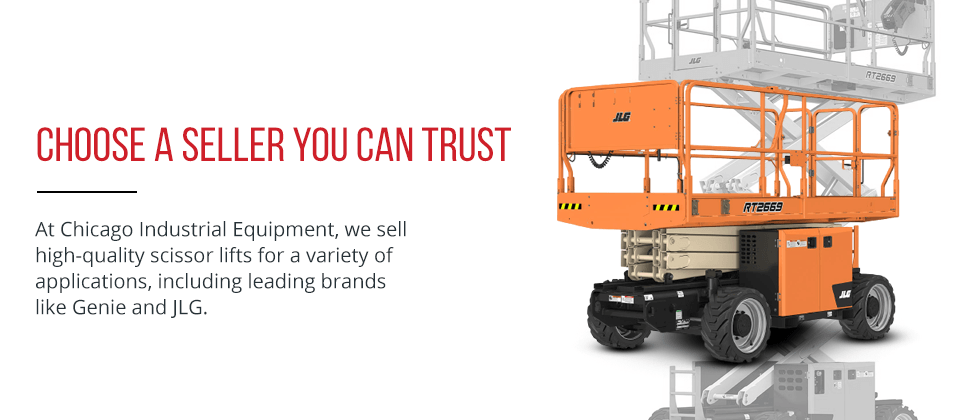
Chicago Industrial Equipment sells high-quality scissor lifts for a variety of applications, including machines from leading brands. Talk to our equipment specialist to find the best option for your needs, or browse our inventory to find your ideal unit.